

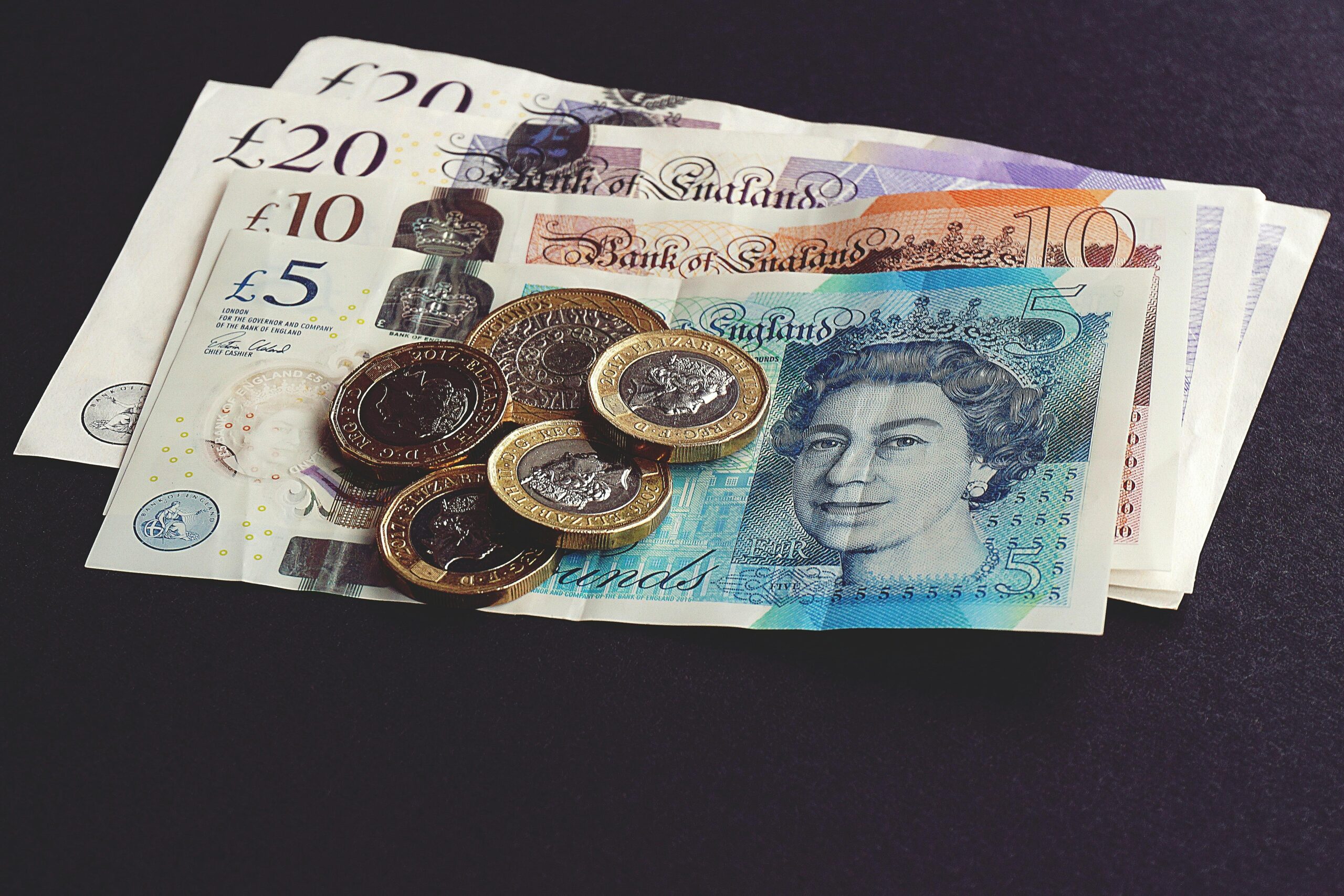
In general bank accounts use for saving money. People can deposit, withdraw and earn interest. However there are various types of accounts for financial activities. I am going to describe about 5 account types in this article.
savings accounts
The most traditional type of savings account. Generally there is minimum balance to maintain. The interest rate is low. provide limited number of transactions, and can set a limit to stop over withdrawing. sometimes it provides a guarantee for part of the balance to express the trust of the bank. It could not be considered as an investment. If you have considerable amount of excess money you can make a fixed deposit and earn better interest.
Checking accounts
Also called as transaction accounts. It is the type of account for daily transactions. It is suitable for frequent withdrawals, such as tickets, bills, gas and shopping. cash withdrawals, debit cards, cheques gives you the immediate access to your money. The interest rate is minimal and it is widely used for digital payments today.
Children’s accounts
Specially designed for children. provide safe environment to teach financial literacy. Withdrawing is restricted until the kid reaches 18 years old.
Sometimes t
here will be small gifts or allowances for various occasions, such as birthdays, holidays, children day, etc. Parent or legal guardian is required to open a children account. Interest is slightly higher than savings accounts.
Senior citizens accounts
This is a special type of savings account created for the elderly community. It offers a relatively high interest rate. Various discounts are available for medical expenses. Provide privileged service, and banking facilities with special loan schemes.
Money market accounts
This type of account provides interest rates based on the current market. So it provides better amount of interest than regular savings account. Need to main a minimum balance to gain these privileges and avoid fees. Better option for saving large amount of money. Rarely use for transactions.